Blackout in a Nursery: What Actually Works
Blackout curtains rarely black anything out, because the light comes around the fabric rather than through it. What to fix, in order.
- Editor, gear and the arithmetic of a small home
- May 6, 2026
- Updated Aug 1, 2026
- 8 min read
In this guide
Most people buy blackout curtains, hang them, and discover the room is still light enough to read in. The curtains are usually not the problem. Light behaves like water, and a curtain that blocks light through the fabric while leaving a two-inch gap at the side is a bucket with a hole in it.
Here is where the light actually gets in, ranked by how much of it comes through each route, and what fixes each one.
Where the light gets in
Around the sides. The largest leak by a wide margin. A curtain hung on a pole in front of a window has open air at both edges, and morning sun at a low angle comes straight through the gap and across the room. Sealing the sides matters more than upgrading the fabric.
Over the top. A pole-mounted curtain has a gap between the pole and the wall, and light spills over and down the face of the curtain. This is why the same curtains perform completely differently on a track inside a pelmet.
Underneath. Curtains that stop at the sill leave the whole gap between sill and floor. Floor-length is not a style choice here.
Through the fabric. The thing everyone buys for, and usually the smallest leak. Genuine blackout lining is opaque. Fabric sold as "room darkening" is not the same product and the label difference is deliberate.
Around the frame. Older windows, and anything with trickle vents, leak at the reveal.
From inside the room. Standby LEDs, a monitor's indicator, a night light, the hall light under the door. In an otherwise dark room these are surprisingly dominant, and they cost nothing to fix.
The fixes, in order of effect per dollar
Mount outside the recess, wide and long. Cost: nothing extra.
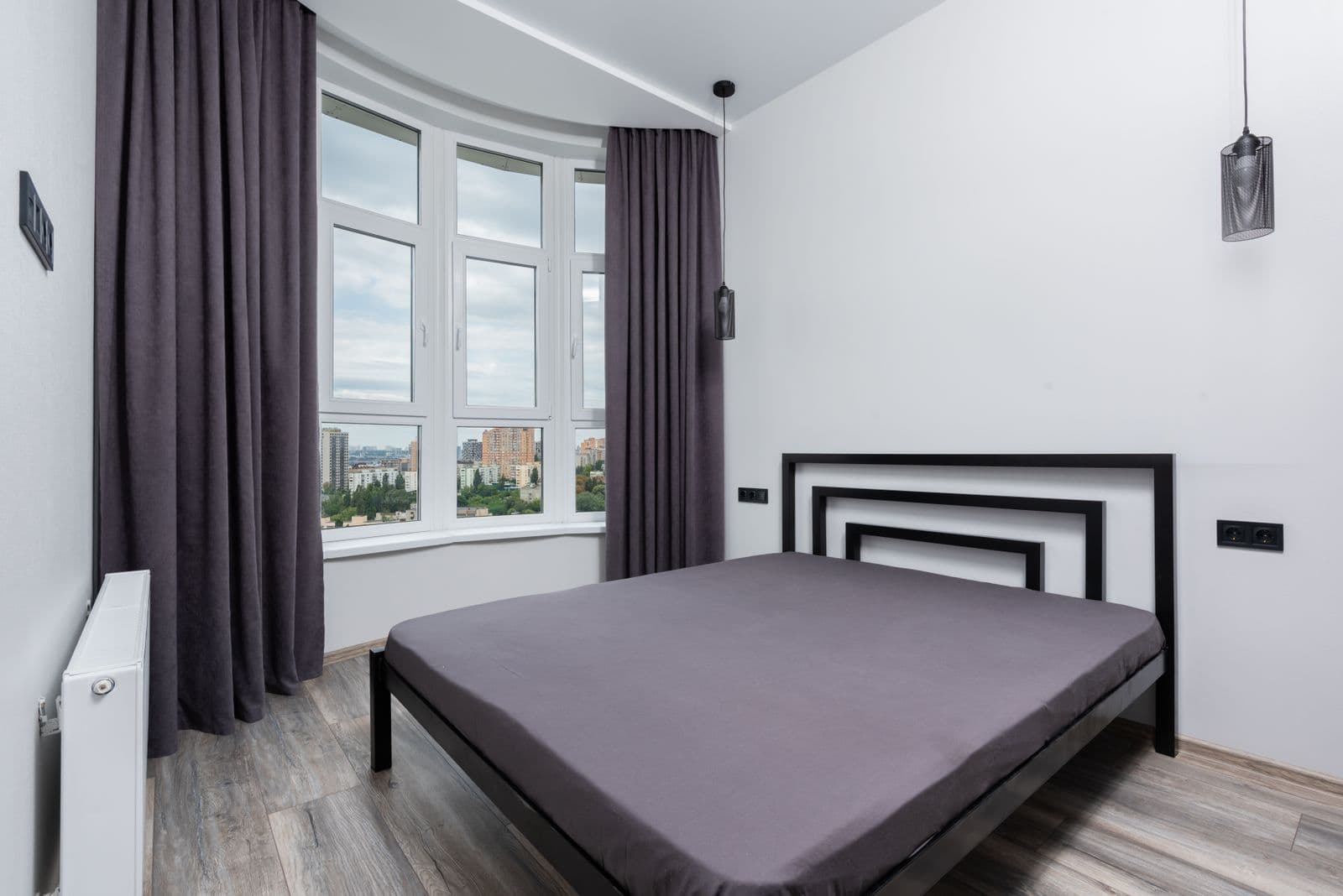
If you are hanging curtains anyway, hang them wrong on purpose. Mount the pole or track at least 6 inches wider than the window on each side, and as high above the frame as the wall allows. Let them finish at the floor rather than the sill.
That one change addresses the side, top and bottom leaks at once, and it works with curtains you already own. It is the highest-value thing on this page and it costs the price of a longer pole.
Add a pelmet or a return. Cost: low.
A pelmet, or a curtain track with returns that bend back to the wall at each end, closes the top gap properly. A fabric pelmet made from an offcut works as well as a joinery one for this purpose.
Use a portable blackout blind for the window itself. Cost: moderate.
Suction-cup or static-cling blackout panels sit directly against the glass and seal the recess rather than covering it from outside. Two advantages over curtains: they seal at the frame, and they pack into a suitcase, which makes the same product the answer to sleeping in a hotel room. Two disadvantages: they need a clean, smooth surface to grip, and suction cups fail in heat, usually overnight in summer.
Fix the internal light sources. Cost: nothing.
Cover standby LEDs with a small square of electrical tape. Check the monitor, the sound machine, the humidifier and the plug adapters. Put a draught excluder or a rolled towel at the base of the door for the hall light.
This is the step people skip and it is often the difference between a dark room and a nearly dark one.
Blackout roller blind inside the recess, plus curtains outside it. Cost: high.
The complete answer, and it is complete because it is two barriers rather than a better one. A recess-fitted blind with side channels seals the window opening, and curtains outside the recess catch everything the blind's edges miss.
What the labels mean
Blackout should mean an opaque lining, usually a coated or three-pass fabric, that light does not pass through. Hold a sample against a bright window: if you can see the shape of the window, it is not blackout.
Room darkening is a weaker, unregulated term for fabric that reduces light without eliminating it. It is frequently sold next to blackout at a similar price.
Thermal describes insulation, not opacity. Thermal linings are often also blackout and the two words are not synonyms, so check both.
100% blackout, applied to a curtain rather than to a fabric, is a claim about the material that ignores the geometry. The fabric can be fully opaque and the room still bright, which is the whole point of this article.
How dark does a nursery need to be?
Darker than most rooms and not pitch black as a matter of principle.
The argument for darkness is straightforward: light is the dominant signal for the circadian system, and a room that is bright at 5am is telling a baby something. For daytime naps in summer, a dark room is often the difference between a 45-minute nap and a two-hour one.
The argument against total darkness is practical rather than physiological. You need to be able to see well enough to do a night feed and a nappy change without turning on a ceiling light, which is where a dim, warm, low-mounted night light earns its place. Warm rather than blue, low rather than at eye level, and on the far side of the room from the crib.
Do not chase perfect. The gap between a very dark room and a completely dark one is small compared with the gap between the room you have now and a very dark one.
What to check before you buy anything
Stand in the room at the time of day that matters, usually just after sunrise, and look at where the light actually is. If there is a bright vertical stripe down one wall, that is a side gap and no curtain upgrade will touch it. If the whole room is evenly and dimly lit, that is fabric.
Diagnose first. This category sells a lot of expensive fabric to people whose problem is a pole that is four inches too short.
Where light sits among the rest
Light is one of three environmental levers in a nursery. Sound is the second, and the machines are compared in our sound machine roundup. The third is the sleep surface itself, which is the only one carrying real safety evidence and is covered in the cribs and bassinets guide. The layout question that decides where the window and the crib end up relative to each other is in changing table or dresser topper.
Questions people actually ask
Why is my room still bright with blackout curtains?
Almost always the geometry rather than the fabric. Light comes around the sides, over the top and under the bottom of a curtain hung on a pole in front of a window. Mount the pole wider and higher than the window and let the curtains reach the floor before you consider different fabric.
Are portable blackout blinds any good?
For sealing the window recess itself, yes, and they are the only option that packs into a suitcase, which makes them worth owning for travel regardless. They need a clean, smooth surface to grip, and suction cups have a habit of releasing on a hot night.
Should the nursery be completely dark?
Very dark is the useful target, and total darkness is not a goal in itself. You still need enough light to do a night feed safely, which a dim, warm, low-mounted night light on the far side of the room provides without undoing the rest.
Does a dark room help with early waking?
It removes one common cause of it, which is a bedroom that is bright at 5am in summer. It is not a fix for every early waking, since hunger, a nap schedule that has drifted and developmental phases all produce the same symptom.
What is the difference between blackout and room darkening?
Blackout should mean an opaque lining that light does not pass through. Room darkening is a weaker, unregulated term for fabric that reduces light without eliminating it, and the two are often sold side by side at similar prices. Hold a sample up to a window: if you can see the window's shape through it, it is not blackout.
Sources
As an Amazon Associate we earn from qualifying purchases. We earn a commission on some links, at no extra cost to you. It never changes which products we recommend or the order they appear in. Full disclosure

Who wrote this
Editor, gear and the arithmetic of a small home
Marisa Okonkwo edits BabyGearSearch and writes the hardware half of it: strollers, car seats, carriers and the furniture around them. She reads the specification sheet, the fit list and the returns policy in full before she reads a single review, because the difference between two apparently identical strollers is almost always a number one of them declines to publish.
More from MarisaThe standard
How this guide was built
- Manufacturer specification sheets and warranty terms, read in full rather than summarised from a listing.
- The federal safety standard the product is certified to, plus anything NHTSA, the AAP or the CPSC has published on it.
- Owner reports at volume, including the one-star reviews, which is where failure modes live.
- Every price checked against the live listing on the date printed beside it.