Preparing Powdered Formula Safely: The Cronobacter Rules
Powdered formula is not sterile. What the CDC's hot-water step actually protects against, who needs it, and how long a mixed bottle is good for.
- Writer, standards and the recall record
- Aug 28, 2026
- 10 min read
In this guide
- What Cronobacter is, and why formula is the route in
- The hot-water step, and who it is actually for
- How to do the hot-water step without a burn risk
- The water itself
- Storage: the two-hour and twenty-four-hour rules
- Never a microwave
- Ready-to-feed and liquid concentrate, if the risk profile calls for it
- What this changes about what you buy
- Sources
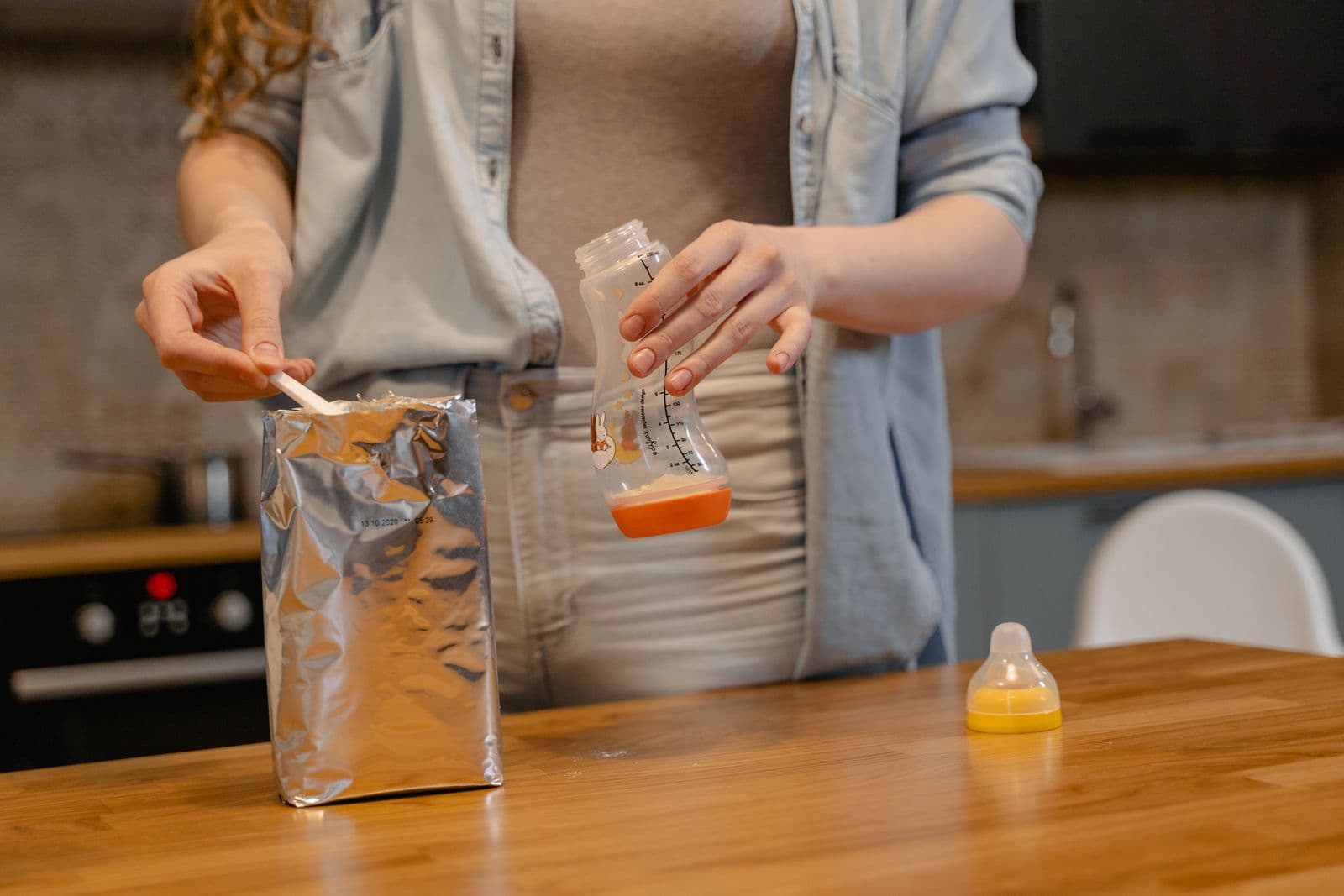
The instructions on the side of a formula tin are shorter than they should be. Add this many scoops to this much water, shake, feed. What they leave out is the fact the CDC states plainly and most packaging does not: powdered infant formula is not a sterile product. It is a dry food, manufactured under controls that reduce contamination but do not eliminate it, and the mixing step is the point where a small risk becomes either smaller or larger depending on what the water is doing.
The organism at the center of this is Cronobacter, and the reason it gets a page to itself rather than a line in the small print is that infections in infants are rare but serious, with a fatality rate high enough that public health agencies treat the prevention step as worth the extra few minutes.
What Cronobacter is, and why formula is the route in
Cronobacter species, sometimes still called by the older name Enterobacter sakazakii, are bacteria that turn up occasionally in dry foods, including powdered infant formula and powdered milk products. The CDC's own framing is direct: powdered infant formula is not sterile and might have germs in it, while liquid formula is manufactured to be sterile and should not carry the same risk when instructions are followed.
Infection in an infant can cause sepsis or meningitis, and the babies most likely to become seriously ill are under two months old, were born prematurely, or have a weakened immune system. That age and risk profile is exactly why the guidance below is written as a tiered recommendation rather than a single rule for every household: the extra step matters most for the infants who are least able to fight off an infection if one occurs.
The hot-water step, and who it is actually for
The CDC and FDA both recommend an extra precaution for higher-risk infants: mixing powdered formula with water that is at least 158°F (70°C), rather than water at room or lukewarm temperature. That threshold is not arbitrary. Laboratory validation work behind the recommendation shows water at that temperature inactivates Cronobacter essentially on contact, which is the property the whole step depends on.
The FDA names the group this extra step is aimed at: infants younger than two months old, infants born prematurely, and infants with a weakened immune system. For those babies, the agencies frame the hot-water step as worth doing every time. For an older, full-term, healthy infant, most manufacturer instructions do not call for it, and CDC guidance treats it as an additional precaution rather than a universal mandate.
That difference matters in practice, because it is also the point where the two goals in this article pull against each other. Water hot enough to kill Cronobacter is also water hot enough to scald a baby's mouth if it is fed before it cools, and that tension is exactly why the sequencing below exists rather than a single instruction to "use hot water."
How to do the hot-water step without a burn risk
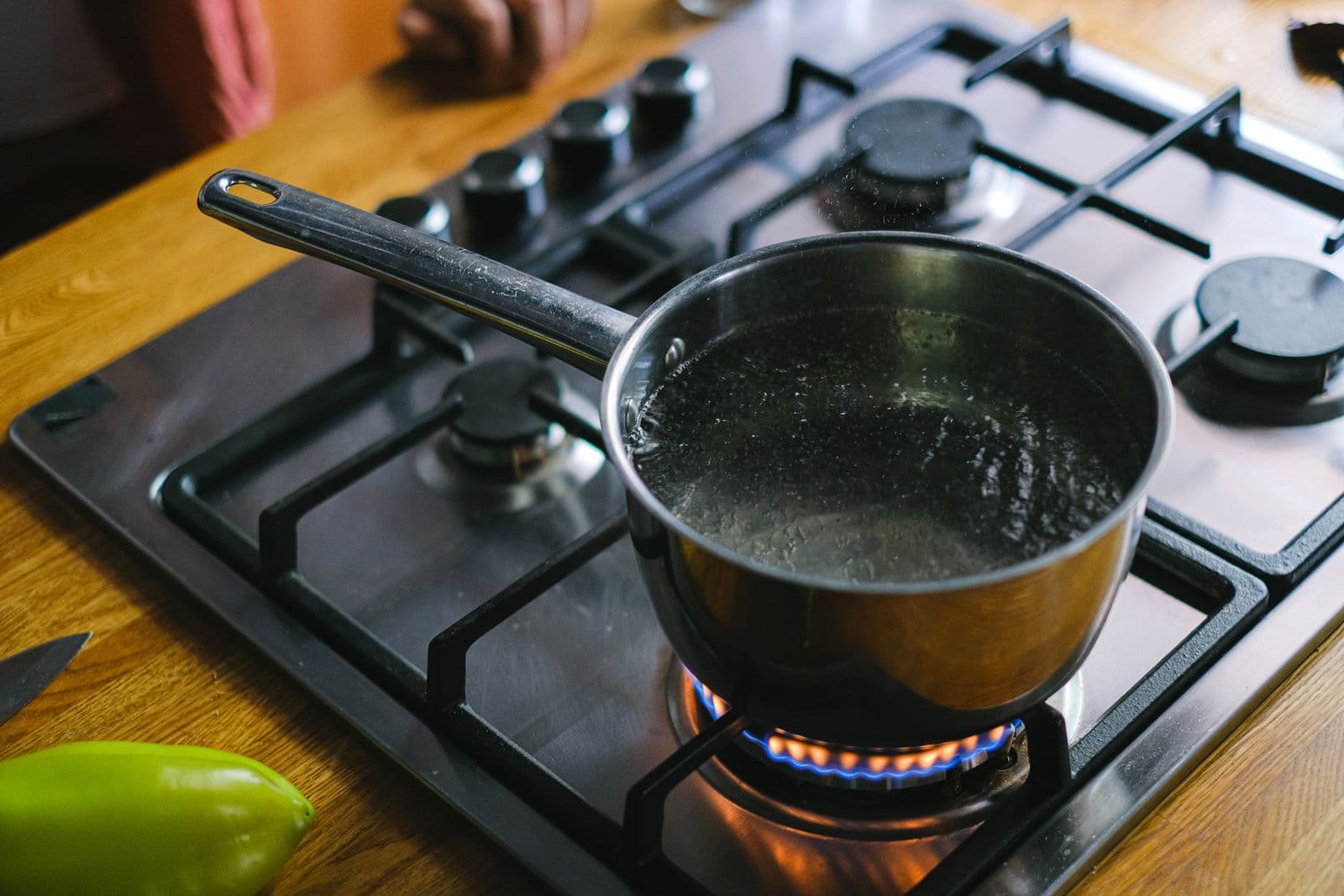
Boil the water first, then let it cool. The CDC's own instruction is to boil and wait about five minutes before mixing with the powder, which brings the water down from a rolling boil while staying well above the 158°F line for long enough to do its job.
If more precision matters to you, a food thermometer removes the guesswork: water that has cooled to somewhere around 158 to 165°F still clears the temperature the validation studies used, and checking it directly is more reliable than counting minutes on a kettle that varies by household.
Mix the formula into that water using the exact ratio printed on the container, not an adjusted one. More water than instructed under-nourishes the baby over time; less water than instructed concentrates the formula and stresses an infant's kidneys, and neither problem is solved by getting the temperature right.
Then cool the finished bottle before feeding, and confirm it rather than assume it. Run the sealed bottle under cold water or stand it in a bowl of ice water, then test a few drops on the inside of your wrist. It should feel lukewarm, not warm to the touch and certainly not hot. This is the step that gets skipped when a hungry baby is crying, and it is the one that turns a correct safety measure into a burn.
The water itself
Tap water is usually fine, and the CDC's position is to check with a local health department only if you have a specific reason to doubt the supply, such as a boil-water advisory or a private well that has not been tested. Where the tap water is not trusted, bottled water or ready-to-feed formula, which needs no water added at all, are the fallback options named in emergency-preparation guidance from the same agencies.
One caution that gets less attention than it deserves: water contaminated with chemicals or toxins, as opposed to bacteria, cannot be made safe by boiling. Boiling addresses microbial risk. It does not remove lead, nitrates or industrial contaminants, so a known chemical contamination event calls for bottled water or ready-to-feed formula rather than a boiled workaround.
Storage: the two-hour and twenty-four-hour rules
Once a bottle is mixed, the clock is running regardless of whether the hot-water step was used. Both the CDC and FDA give the same figures. Use prepared formula within two hours of mixing it, and within one hour of when feeding begins. If it will not be used that quickly, refrigerate it and use it within 24 hours.
A bottle a baby has already started drinking from should be finished or discarded within that one-hour window rather than saved for later, because saliva introduced during feeding changes what is safe to store, and a bottle that has been at body temperature in a warm room for an extended stretch is not one to gamble on. When in doubt, the bottle goes in the sink rather than back in the fridge.
Never a microwave
The FDA is unambiguous about this one, and the reason is mechanical rather than about Cronobacter at all. Microwaving heats unevenly, so the bottle itself can feel cool to the touch while pockets of the formula inside have reached a temperature that burns a baby's mouth and throat. A bottle warmer, or a bowl of warm water around a sealed bottle, heats more evenly and is the method both agencies point to instead. Formula does not need to be warmed at all for a baby to accept it, and plenty of babies drink it straight from the fridge or at room temperature without any issue.
Ready-to-feed and liquid concentrate, if the risk profile calls for it
For the same higher-risk group the hot-water step is aimed at, both agencies name a more direct alternative: liquid ready-to-feed formula and liquid concentrate are manufactured to be sterile, unlike the powder, and are described as the safer option where that matters most. Ready-to-feed needs no water added at all, which also removes any question about the water source. It costs more per ounce than powder, which is the trade a family is weighing against the extra minutes the hot-water method takes, and it is worth having on hand for travel or an emergency even if powder is the everyday choice.
What this changes about what you buy
Not the formula brand, which this article deliberately has not ranked, because the safety practices above apply to any powdered formula sold in the United States equally. What it does change is worth having on the counter: a kettle or a way to boil water reliably, a food thermometer if you want to verify 158°F rather than count five minutes, and a bottle warmer or a bowl for a water bath rather than a microwave anywhere near the routine. None of that is expensive, and all of it is the kind of unglamorous equipment that does not show up in a baby registry checklist but ends up used daily. Our feeding roundup covers the bottles and the high chair that make the rest of the routine work, and if a bottle is the harder problem in your house rather than the water it is mixed with, that is a different issue covered in bottle refusal.
Formula preparation is also one of the places where the calendar matters. A newborn feeding every two to three hours makes the extra five minutes for hot water and cooling a real cost of time, which is worth planning for rather than discovering at 3am. Once solids start, the safety questions shift again, and what the evidence actually supports there is covered in what the baby-led weaning trial found. The chair the whole routine eventually moves to is sized up in the high chair that fits a small kitchen.
Questions people actually ask
Does every baby need the hot-water step?
The CDC and FDA name it as an extra precaution specifically for infants under two months old, infants born prematurely, and infants with a weakened immune system. For an older, healthy, full-term baby, most manufacturer instructions do not require it, though following it is not harmful as long as the bottle is properly cooled before feeding.
How hot does the water actually need to be?
At least 158°F (70°C), the temperature validation studies show inactivates Cronobacter on contact. The CDC's practical instruction is to boil the water and let it stand about five minutes before mixing, which brings it down from boiling while staying well above that line. A food thermometer removes the guesswork if you want to confirm it directly.
How do I cool a bottle down without losing the safety benefit?
Run the sealed, mixed bottle under cold water or stand it in a bowl of ice water, then test a few drops on the inside of your wrist before feeding. Cooling the outside of a sealed bottle does not undo the mixing step, which already did its work when the powder met the hot water.
How long is a mixed bottle good for?
Two hours at room temperature from when it was mixed, and one hour from when feeding began if the baby has already started on it. If it will not be used within two hours, refrigerate it and use it within 24 hours. Discard anything left over after that window rather than reheating it.
Is ready-to-feed formula safer than powder?
For the same higher-risk group the hot-water step is aimed at, yes: both agencies describe liquid ready-to-feed and liquid concentrate formula as manufactured to be sterile, unlike powder. It costs more and needs no water added, which also makes it a sensible thing to keep on hand for travel or an emergency even if powder is the everyday choice.
Sources
As an Amazon Associate we earn from qualifying purchases. We earn a commission on some links, at no extra cost to you. It never changes which products we recommend or the order they appear in. Full disclosure

Who wrote this
Writer, standards and the recall record
Dan Whitfield writes the standards side of BabyGearSearch: what a certification actually covers, what the CPSC recall database says about a brand, and what the one-star reviews agree on six months in. He is not a clinician and does not write as one. His job is to read the standard rather than the marketing page, quote the real number, and name the limit the packaging skipped.
More from DanThe standard
How this guide was built
- Manufacturer specification sheets and warranty terms, read in full rather than summarised from a listing.
- The federal safety standard the product is certified to, plus anything NHTSA, the AAP or the CPSC has published on it.
- Owner reports at volume, including the one-star reviews, which is where failure modes live.
- Every price checked against the live listing on the date printed beside it.