Will This Car Seat Fit My Car? How to Know Before You Buy
Fit is the constraint that eliminates more car seats than any other, and almost nobody checks it first. Five measurements and the three cases that go wrong.
- Editor, gear and the arithmetic of a small home
- Apr 6, 2026
- Updated Jul 11, 2026
- 8 min read
In this guide
Every car seat sold in the United States meets the same federal standard. None of them is required to fit your car.
Those two facts together explain most of the returns in this category. A seat can be excellent, well reviewed and completely wrong for a 2016 hatchback with a tall driver, and no amount of reading about crash performance will surface that. Fit is a geometry problem between two specific objects, and it is worth solving before you buy rather than in a car park with a box you have already opened.
The three cases that actually go wrong
The front seat has to come forward. A rear-facing seat needs front-to-back space, and the space it takes comes out of the passenger in front of it. In a compact car with a driver over six feet, a bulky rear-facing convertible can make the driver's seat unusable. This is the most common failure and the one people discover last.
Three across. Two car seats and a booster, or three seats of any kind, on a bench that was designed for three adults who are not wearing plastic shells. Bench widths vary by ten inches or more between vehicles, and seat widths vary by six. Some combinations work and many do not.
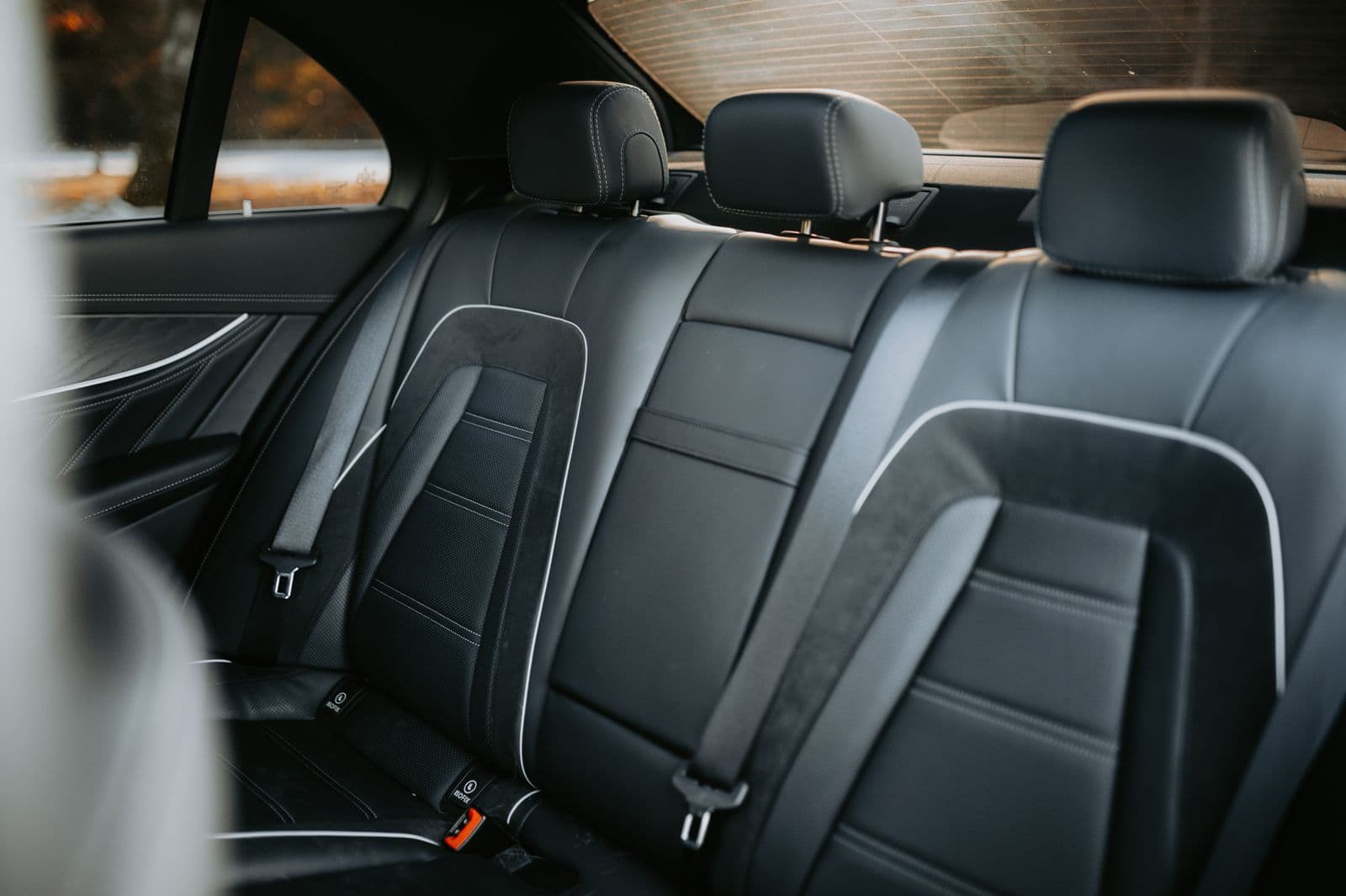
The vehicle seat is sloped or contoured. Deeply bucketed rear seats, aggressive bolstering and a steep bight angle all fight a car seat base. The result is either an install that will not reach the correct recline angle or one that will not come tight, and both are common in sportier cars.
Five measurements, and where to find them
1. Front-to-back space behind the front seats
Set the driver's seat where the driver actually drives it. Measure from the back of that seat to the front face of the rear seat cushion, at cushion height. Do the same on the passenger side if that is where the seat is going.
Compare against the car seat's rear-facing front-to-back dimension, which good manufacturers publish and which is different from the overall depth. Where a brand does not publish it, ask, and treat an unanswered question as a warning.
2. Rear bench width, seat by seat
Measure the total usable bench width, then measure each of the three positions between the buckle stalks. Buckle position rather than total width is what limits a three-across, because a stalk in the wrong place stops a seat sitting flat.
Compare against each seat's widest point, which is usually the cupholders or the shoulder area rather than the base. Narrow seats specifically designed for three-across exist and are worth knowing about if this is your constraint.
3. Bight angle and cushion contour
The bight is the crease where the seat back meets the cushion. Look at whether it is a clean angle or a deep bucket. Sit a hand into it. A seat with a pronounced bucket will need more work to get a car seat level, and the pool-noodle or rolled-towel fix, where a manufacturer permits it, is only permitted by some.
4. LATCH anchor positions and weight limits
Find the lower anchors in your vehicle and note which seating positions have them. Many vehicles have anchors in the two outboard positions only, which means a centre install must use the seat belt, and that is fine as long as the car seat manual allows it.
Note the LATCH weight limit. Lower anchors have a combined child-plus-seat limit, commonly reached around 65 pounds total, after which you must switch to a belt install. This surprises people who have used lower anchors for years.
Find the top tether anchor for forward-facing use. Locate it before you need it, because in some vehicles it is under a cover in the parcel shelf or on the seat back and is not obvious.
5. Seat belt geometry, if belt-installing
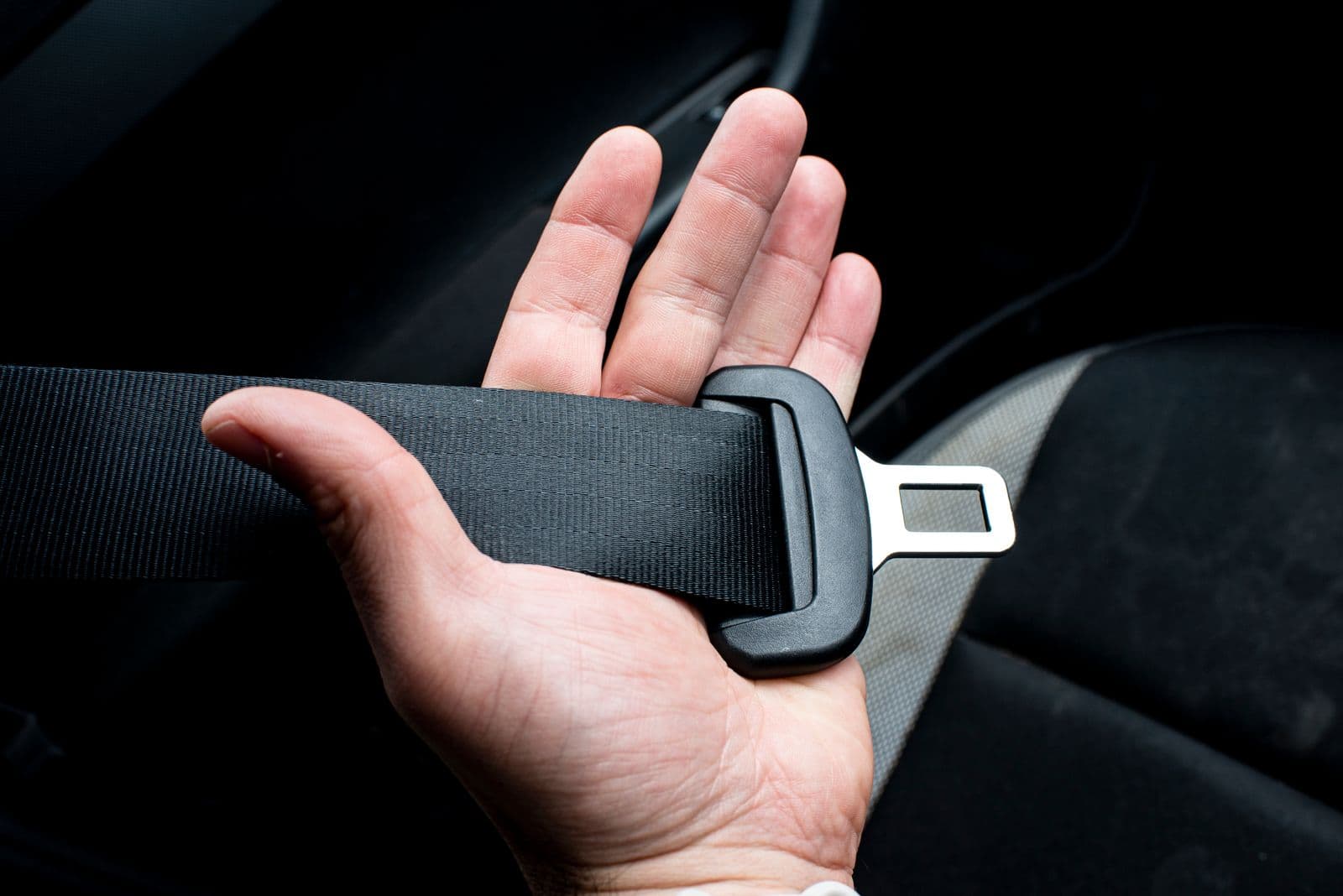
Check whether the vehicle's rear belts have a locking retractor and how it engages. Check whether the buckle stalk is long, short, rigid or on a flexible webbing, because a long floppy stalk can make it hard to get a base tight.
The resources that do this for you
Before measuring anything, spend ten minutes on two free tools.
NHTSA's car seat ratings include an ease-of-use rating that scores seats on installation features, labelling and instructions. That is not the same as crash performance, which is a pass or fail against FMVSS 213 rather than a scale, and it is genuinely useful for predicting whether you will install a seat correctly.
The manufacturer's vehicle fit list. Several brands publish fit guides by vehicle make, model and year. Where one exists for your car it is the fastest answer available, and it is more reliable than a forum post about a different model year.
Then, and this is the part that matters most: take the seat to a certified child passenger safety technician. NHTSA runs a free inspection station locator. A technician will tell you in ten minutes whether the install is correct in your car, which is a question no measurement and no article can settle.
The specification-sheet traps
Overall dimensions are not fit dimensions. A seat's listed depth may be measured forward-facing, or with the base at its most upright, neither of which is the number you need for a rear-facing install.
Narrow does not mean three-across compatible. Width at the base tells you nothing if the seat flares at shoulder height, which is where two adjacent seats collide.
Fit lists lag. A brand's vehicle guide may not cover the current model year, and manufacturers revise rear seat geometry between facelifts. Treat a fit list for an adjacent year as a strong hint rather than an answer.
Recline indicators are seat-specific. A bubble, a line and an angle range are three different systems, and reading one as though it were another is a common installation error.
What to do if it does not fit
Change the seat rather than the car, obviously, and start from the constraint. If the problem is front-to-back space, look for compact rear-facing designs specifically marketed on that dimension. If it is three-across, look at the narrow-by-design seats. If it is a bucketed bench, prioritise seats with adjustable recline on the base and a clear angle indicator.
What not to do is add anything the car seat manual does not explicitly permit. Aftermarket inserts, mats, positioners and padding are not part of the tested system, and a seat is only certified as the object that was tested.
Where this sits in the decision
Fit narrows the field faster than any other filter, so run it first and rank afterwards. Our car seat roundup covers how the seats differ once fit is settled, and how long rear-facing covers the limits that decide how long you keep each one. If the seat is also going onto a stroller frame, that pairing is one decision rather than two, which is the subject of travel system versus buying separately. And a used seat brings its own question, answered in car seat expiration dates.
Questions people actually ask
Is LATCH safer than a seat belt install?
No. Both are tested and both are correct when done properly. Lower anchors are usually easier to get right, which matters given how common installation error is, but a tight belt install is equally secure. Use whichever you can consistently get within an inch of movement at the belt path.
Can I use lower anchors in the centre position?
Only if the vehicle manual says that position has its own anchors. Borrowing one anchor from each outboard position for a centre install is not permitted unless both the vehicle and the car seat explicitly allow it, and most do not.
How tight is tight enough?
Grip the seat at the belt path and pull side to side and front to back. Less than one inch of movement in any direction is the standard. Movement at the top of the shell is normal and not what the test measures.
Is the centre seat always the safest?
It is the position furthest from any impact, so it is preferred when you can install correctly there. A correct install in an outboard position beats a compromised one in the centre, and many vehicles make a centre install harder because of a hump, a raised cushion or missing anchors.
Do I need a new seat if I change cars?
Not necessarily, but re-check the fit and re-do the install. Rear seat geometry, anchor position and belt type all differ between vehicles, and a seat that installed cleanly in one car can be a poor fit in another.
Sources
As an Amazon Associate we earn from qualifying purchases. We earn a commission on some links, at no extra cost to you. It never changes which products we recommend or the order they appear in. Full disclosure

Who wrote this
Editor, gear and the arithmetic of a small home
Marisa Okonkwo edits BabyGearSearch and writes the hardware half of it: strollers, car seats, carriers and the furniture around them. She reads the specification sheet, the fit list and the returns policy in full before she reads a single review, because the difference between two apparently identical strollers is almost always a number one of them declines to publish.
More from MarisaThe standard
How this guide was built
- Manufacturer specification sheets and warranty terms, read in full rather than summarised from a listing.
- The federal safety standard the product is certified to, plus anything NHTSA, the AAP or the CPSC has published on it.
- Owner reports at volume, including the one-star reviews, which is where failure modes live.
- Every price checked against the live listing on the date printed beside it.